Nature vs Ironman: A Look at Global Races Where the Swim Was Called Off – 5150 CHENNAI
Chennai, January 11:
The cancellation of the swim leg at the 5150 Ironman Chennai has placed the city among a rare list of global Ironman host venues that have been forced to abandon the most iconic element of triathlon — the open-water swim — in the interest of athlete safety.
While the decision came as a shock to many competitors in Chennai, Ironman history shows that this is not the first time nature has dictated the course of one of the world’s most demanding endurance events.
A Global Pattern of Safety-First Decisions
Over the years, several prestigious Ironman races across continents have had to undergo emergency format changes due to unsafe water conditions, contamination, or extreme weather.
One of the earliest high-profile examples occurred at Ironman Texas 2015, when severe flooding and strong river currents rendered the swim course unsafe. Organisers cancelled the swim just hours before race start, converting the event into a bike-run duathlon — a move that was controversial but widely accepted as necessary.
In 2016, Ironman 70.3 Chattanooga followed suit. Unprecedented rainfall led to dangerously fast river flows, prompting officials to scrap the swim entirely. The race still went ahead, with athletes starting directly on the bike leg, and even age-group world championship slots were awarded, sparking widespread debate across the triathlon community.
European and Australian Precedents
Europe too has faced similar disruptions. At the Ironman 70.3 Weymouth in 2014, choppy seas and near-zero underwater visibility forced organisers to cancel the swim on race morning, stunning hundreds of athletes already suited up for competition.
Australia’s Ironman Western Australia in Busselton, 2017 mirrors Chennai’s experience most closely. There, organisers struggled to safely anchor swim buoys amid strong ocean swells. Despite multiple inspections, the course could not be secured, leading to the cancellation of the swim leg — the exact challenge cited by the Chennai race team this weekend.
Health Risks and Environmental Threats
Not all cancellations stem from waves and wind. At Ironman Copenhagen 2019, an unexpected algal bloom contaminated the harbour waters, raising serious health concerns. With local authorities advising against any water contact, the swim was immediately dropped from the schedule.
These examples highlight a reality every endurance athlete eventually learns: Ironman is not immune to the forces of nature.
Chennai Joins the List
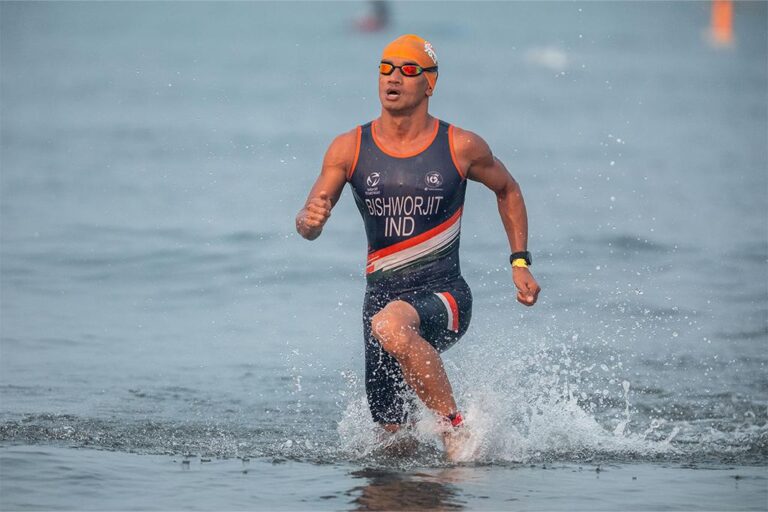
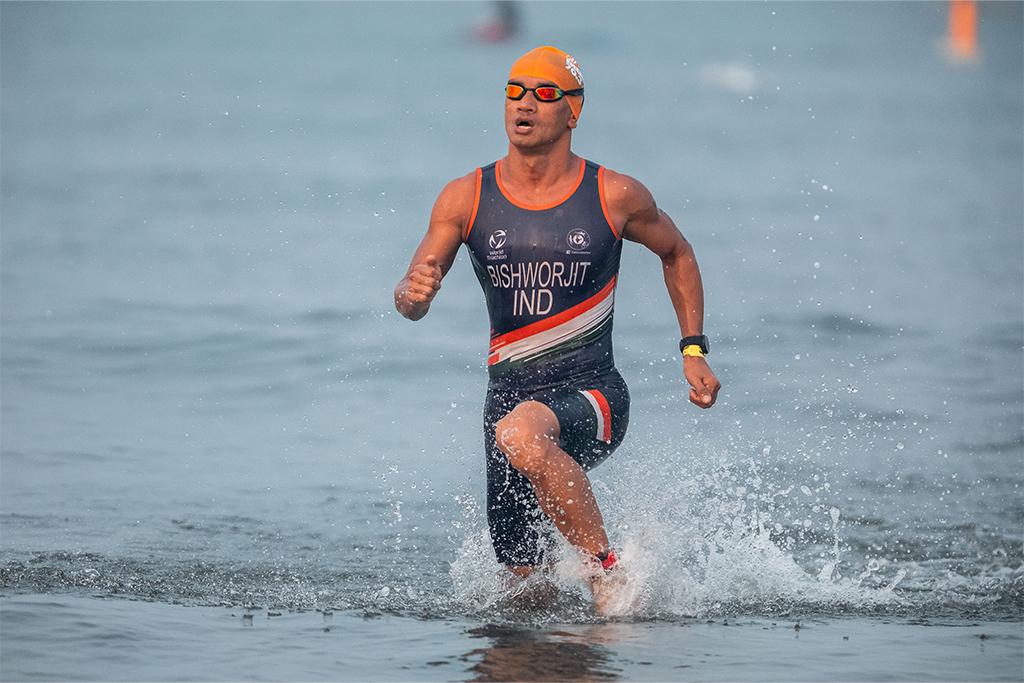
This weekend, the 5150 Ironman Chennai became India’s first Ironman-branded race to undergo such a transformation. The organising committee confirmed that rough sea conditions caused by a depression over the Bay of Bengal prevented the safe installation of swim course buoys, forcing the triathlon to become a duathlon.
While disappointment was evident among swimmers, the decision aligns with global Ironman protocol — when in doubt, safety overrides spectacle.
A Reminder of the Spirit of Ironman
For many veterans, these disruptions are not setbacks but defining moments.
From Texas to Copenhagen, Busselton to Chennai, Ironman history proves that endurance sport is not just about conquering distance — it is about adapting to the unpredictable.
Follow BiGG Sports News for more sports stories
About the Author