🏏 Cricket — Thrills in Domestic Women’s Cricket, Building Momentum – WPL 2026
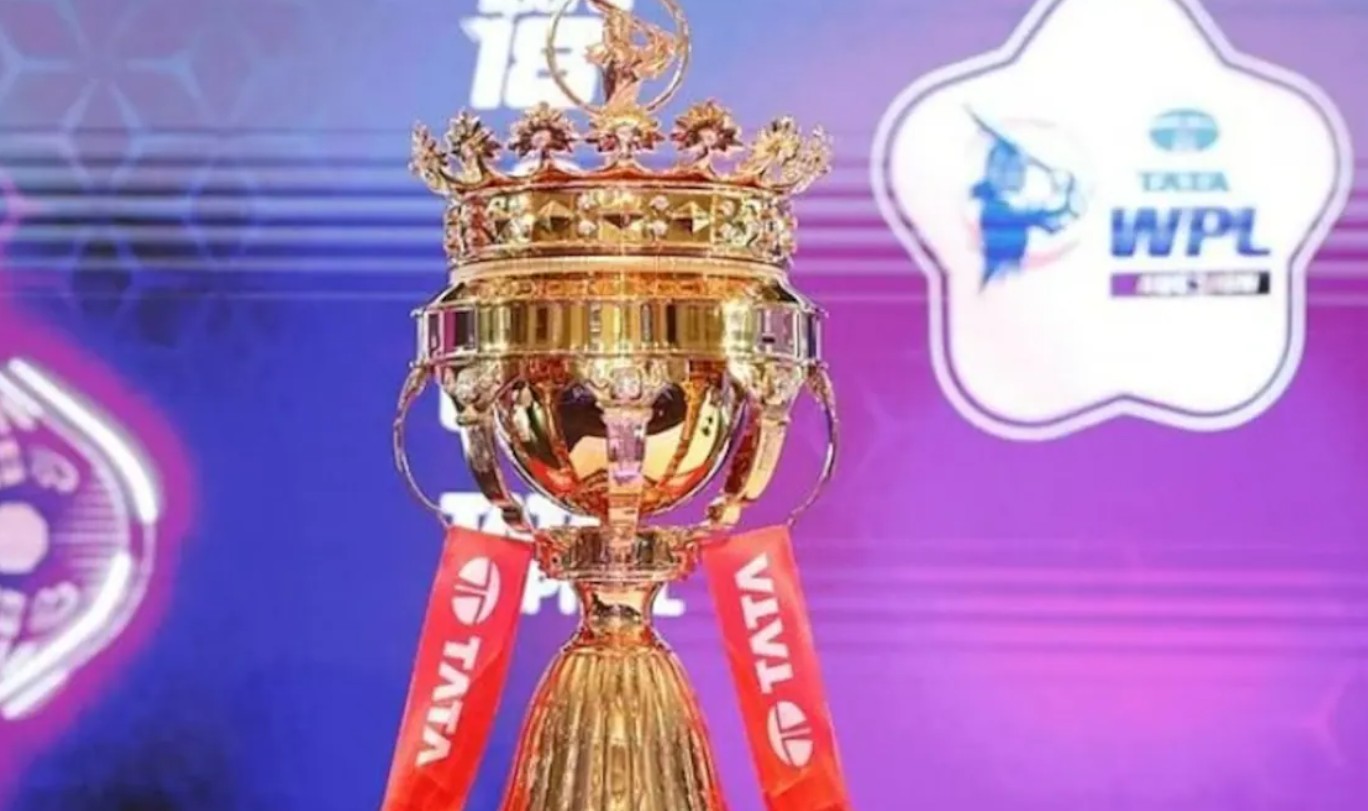
Women’s cricket in India is no longer a quiet supporting act to the men’s game. It has begun to evolve into a powerhouse of its own—commercially, emotionally, and competitively. The latest Women’s Premier League (WPL) 2026 mega-auction delivered proof of that transformation, showcasing a high-stakes market where skill and reliability command premium prices. The headline moment of the auction arrived when India’s star all-rounder Deepti Sharma became the most expensive player of the day, securing a contract worth ₹3.2 crore via a Right-to-Match clause exercised by UP Warriorz. The move signaled both player confidence and forward-thinking investment by franchises eager to build durable cores around elite domestic talent.
The atmosphere at the auction hall in New Delhi was electric: scouts scribbling notes, analysts poring over strike-rate graphs, and owners whispering frantic strategy. This was no ceremonial formality—every bid revealed how deeply Indian franchises are now invested in the women’s game. Sharma’s rise to the top bracket came as little surprise. As a senior figure with international pedigree, a reliable bowling arm, and clutch finishing ability, her value extends beyond match day. She brings continuity, leadership, and versatility—someone who can shape the direction of an entire franchise.
Close behind was Shikha Pandey, another stalwart, who was snapped up for a hefty ₹2.4 crore. The bidding war over the seasoned pacer demonstrated something rarely seen in Indian domestic women’s auctions until a few years ago: teams are aggressively hunting not only batters, but high-pressure bowlers capable of swinging matches in death overs. Pandey’s control, variations, and ability to handle pressure earned her that price tag, and franchises clearly believe bowlers like her are capable of neutralizing high-scoring T20 trends.
Even more encouraging was the attention paid to young talent. Players such as wicketkeeper-batter Yastika Bhatia and emerging batter Pratika showcased the league’s growing faith in youth. These younger cricketers are not being treated as “development projects” in the shadows. Their opportunities arrive at a meaningful level—salaries in crores, expectations of match-winning roles, and long-term contracts that reflect stability rather than risk. In earlier eras, women’s cricket rarely offered such pathways within India. But now, promising players aren’t just hoping for India caps; they are being financially rewarded and watched as stars in the making.
The WPL 2026, the fourth edition of the league, will run from January 9 to February 5, with five teams returning to compete. Organizers expect jam-packed venues and record digital viewership numbers. If the trend of the past two seasons continues, attendance will rival high-profile men’s T20 games in certain cities. One major reason for this growth is that the WPL has successfully built identities around franchises—branding, fan bases, and loyalty that transcend regions. Mumbai-based fans support Mumbai, UP fans rally behind the Warriorz, and Bengaluru has created a passionate following similar to its men’s counterpart.
Off the field, this momentum is shaping grassroots cricket across India. Academies are seeing an uptick in registrations from girls aged between 8 and 15. Many of them name WPL heroes like Harmanpreet Kaur, Smriti Mandhana, and Deepti Sharma as their inspirations rather than far-away international men’s players. That shift—when a generation looks up to relatable domestic athletes—is the foundation of a durable sporting ecosystem. It echoes what the IPL did for Indian men’s cricket 15 years ago: elevate the sport beyond a national team framework and into everyday culture.
The WPL’s financial ecosystem is also expanding. Sponsorship packages are larger, television rights more lucrative, and team valuation discussions mirror those of early IPL years. Brands once hesitant to attach budgets to women’s cricket are now claiming positions months in advance. They’re not just placing logos on jerseys—they’re building long-term marketing partnerships centered around athletes as influencers and narratives of empowerment.
As India prepares to usher in another WPL season, the sport appears at a tipping point. This is no longer a league built for novelty or token representation. It has become a professional arena where tactical strategies, scouting systems, injury management, and athlete conditioning matter as intensely as in the men’s game. More importantly, it has created a platform where young girls can dream—not in abstract, but in contracts, badges, and stadium lights. Women’s cricket is not just catching up. It is setting the stage for its own era.
Follow BiGG Sports News for more sports stories
About the Author