Chennai’s Timeless Bond with the Sea: The History and Rise of Sailing in the Capital of Tamil Nadu 1987

Chennai – Long before the city became a modern metropolis of technology parks and expressways, its identity was shaped by the wind, waves, and waterways of the Bay of Bengal. Today, Chennai stands tall as India’s undisputed sailing capital, but the journey of this sport in the city is deeply rooted in history, tradition, and decades of dedicated grassroots development.
The origins of organised sailing in Chennai date back to the colonial era when the city, then known as Madras, was a strategic maritime hub of the British Empire. The Royal Navy and British traders regularly used the Madras coast, and with them came the culture of recreational boating and yachting. Early sailing activity was informal, restricted mostly to European officers who used small craft along the harbour waters and the Cooum River.
A landmark moment arrived in 1867 with the establishment of the Madras Boat Club. Situated initially on the Cooum River, the club became the nucleus of water sports in South India. While rowing dominated its early years, sailing slowly found its place, especially in the early twentieth century. Over time, the Madras Boat Club evolved into a centre where structured training, regattas, and competitive sailing culture took shape, introducing Indian youth to a sport that was once elite and inaccessible.
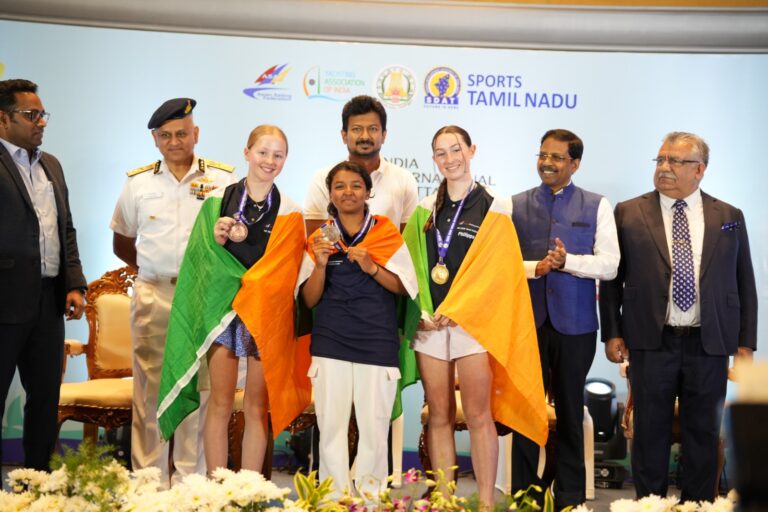
Post-independence, sailing in Chennai witnessed a transformation. What was once a colonial pastime gradually became a mainstream competitive sport, thanks largely to the formation of the Tamil Nadu Sailing Association and the proactive involvement of the Sports Development Authority of Tamil Nadu (SDAT). These institutions recognised the potential of Chennai’s geography and climate, and by the 1970s and 80s, structured coaching camps had become a regular feature along the city’s coastline.
The real game-changer was the development of the Muttukadu Boat House on the East Coast Road. The sheltered backwaters, combined with access to open sea conditions, created the perfect natural training environment. Sailors trained here in all weather patterns – from calm summer winds to challenging monsoon currents – building tactical and physical resilience that would later distinguish Chennai sailors at the national level.

Over the decades, Chennai has produced some of India’s finest sailors. Names such as S. Saravanan and, more recently, Vishnu Saravanan have become synonymous with the city’s sailing excellence. Vishnu’s qualification for the Tokyo Olympics marked a historic milestone, reaffirming Chennai’s reputation as a cradle of elite sailing talent. Their journeys from Muttukadu’s waters to the world’s biggest sporting arenas stand as powerful testimony to the city’s enduring legacy.
Chennai’s contribution is not limited to athlete production. The city has hosted multiple National Sailing Championships, youth regattas, and ranking events, often serving as a pre-season training base for the Indian Navy and the Indian Yachting Association. The Marina–Covelong stretch has become a proving ground for endurance sailing and offshore races, further cementing the region’s status on India’s sailing map.
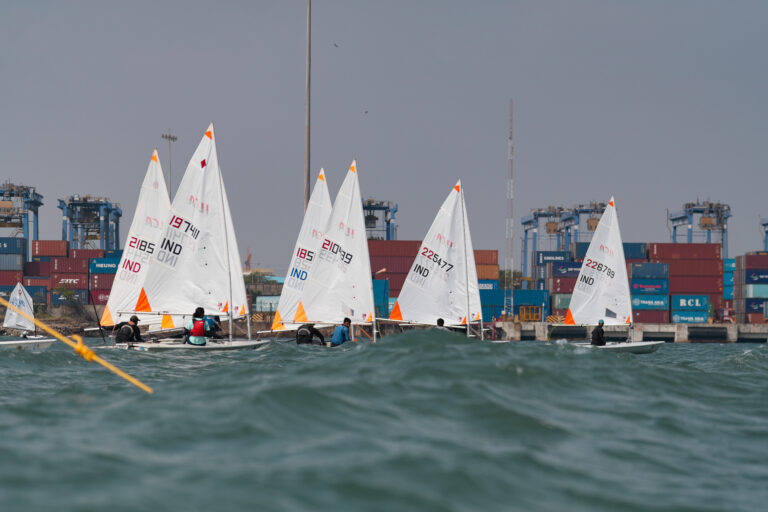
What makes Chennai truly special is the seamless blend of tradition and high-performance sport. Traditional catamarans used by fishing communities still dot the coast, sailing alongside Olympic-class dinghies and training fleets. This cultural continuity ensures that sailing in Chennai is not merely a sport but a living heritage.
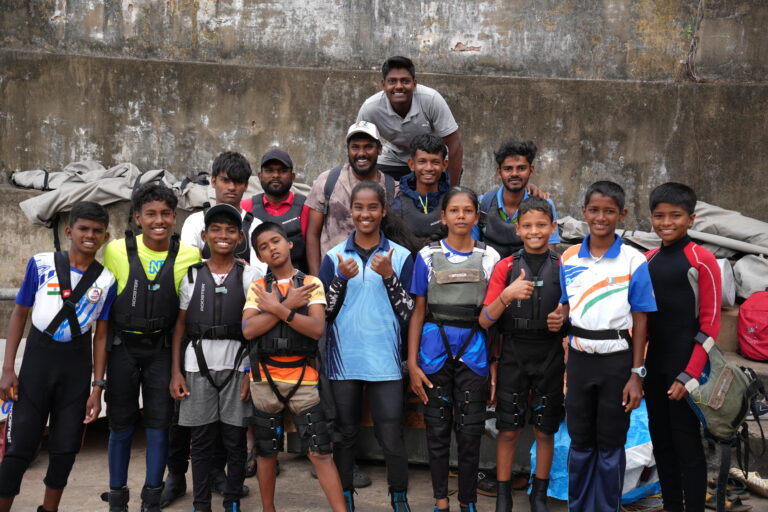
As SDAT continues to invest in infrastructure, school-level programmes, and elite coaching pathways, Chennai’s future in sailing looks brighter than ever. From colonial riverboats to Olympians riding the Bay of Bengal swells, the city’s story is one of evolution, resilience, and an unbreakable bond with the sea. In every gust that fills a sail off the Chennai coast, echoes a history that has been over a century in the making.
Follow BiGG Sports News for more sports stories
About the Author