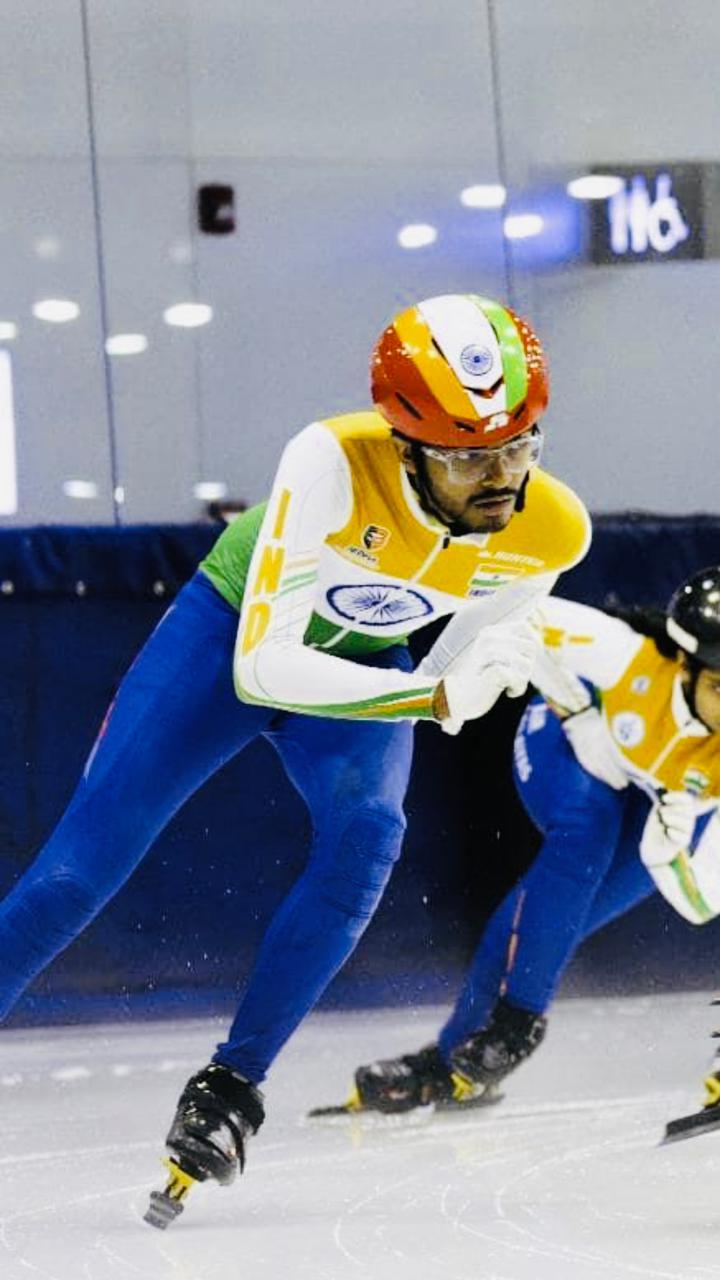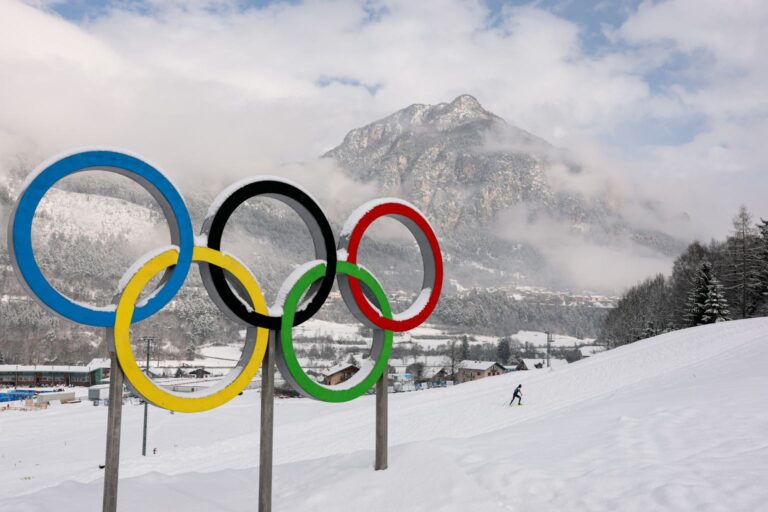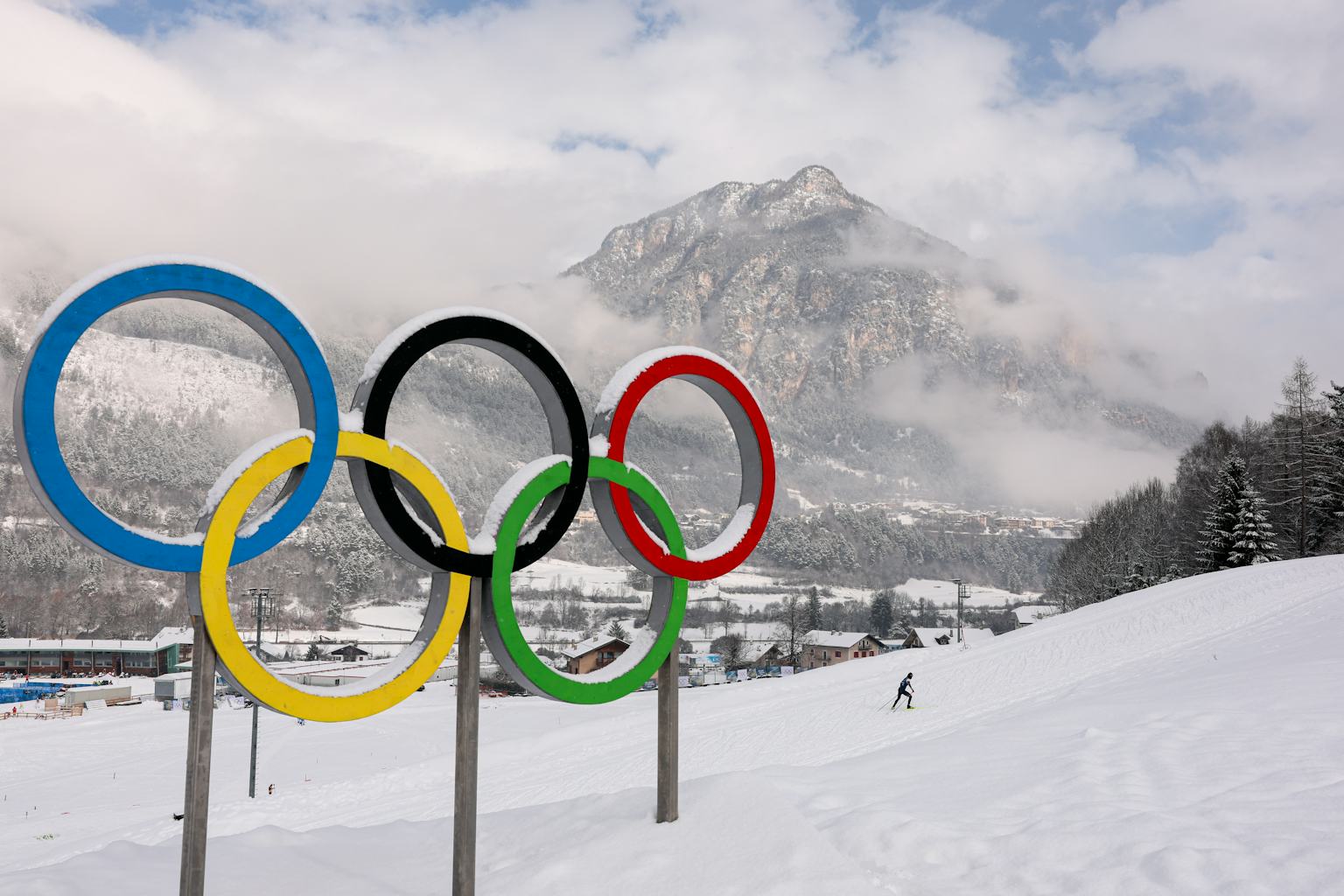
The ongoing Winter Olympics have delivered world-class action across snow and ice, but alongside the pursuit of medals, political discussions have begun to surface, adding an unexpected off-field dimension to the global sporting event.
As athletes from across the world compete in disciplines such as speed skating, alpine skiing, ice hockey, and biathlon, conversations around immigration policies, athlete eligibility, and international relations have gained traction within Olympic circles. Reports suggest that certain athletes with dual citizenship or refugee backgrounds have faced additional administrative scrutiny, sparking debate over participation norms at international sporting events.
Several athlete representatives and sports bodies have stressed that such developments should not overshadow the core values of the Olympic movement. The Olympics have historically stood for unity, neutrality, and inclusiveness, offering athletes a platform to compete irrespective of political or social differences back home.
Olympic organizers have responded by reaffirming their commitment to keeping the Games politically neutral. Officials stated that all participation and eligibility decisions are governed strictly by international sporting regulations and Olympic guidelines, not by national political positions. Coordination with national Olympic committees, they added, remains ongoing to ensure that qualified athletes are able to compete without disruption.
Despite the broader discussions, the focus inside competition venues has remained firmly on sport. High-quality performances, close finishes, and record-breaking displays have continued to captivate fans worldwide. Athletes, while aware of the wider debates, have largely maintained their focus on competition, with many emphasizing that the Olympic stage should serve as a unifying force during times of global uncertainty.
Sports analysts note that political narratives have often intersected with the Olympics in the past, but in the modern media landscape, such issues tend to gain rapid attention. Managing this balance—between freedom of expression and maintaining the Games’ neutral stance—remains a key challenge for organizers.
As the Winter Olympics move into their decisive stages, medals and milestones will continue to dominate headlines. However, the emerging political undertones underline a familiar reality: even on the world’s biggest sporting stage, events beyond sport can shape the conversation as much as the action itself.
Follow BiGG Sports News for more sports stories
About the Author