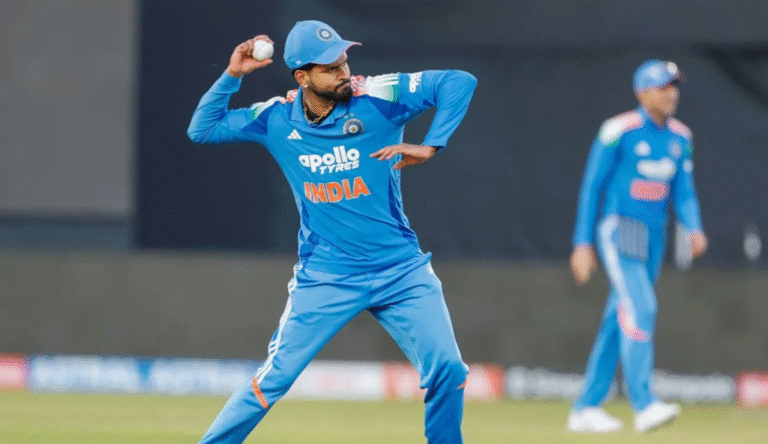
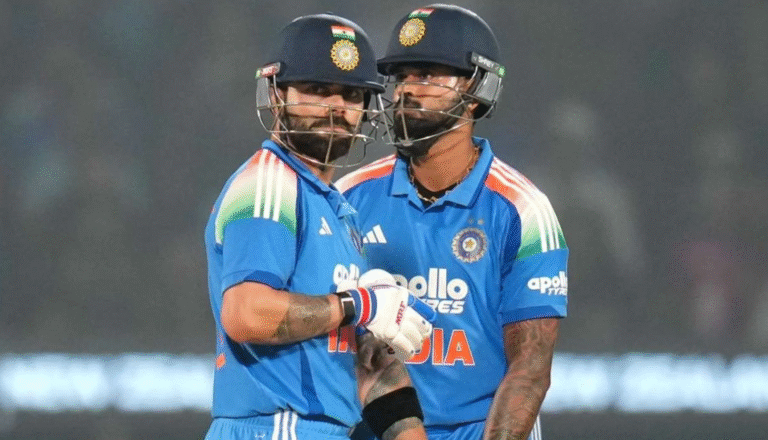
India Eye Early Breakthroughs as Day 2 of Guwahati Test Resumes With South Africa at 247/6

The second Test between India and South Africa in Guwahati is delicately poised as play resumes on Day 2, with the visitors starting at 247 for 6. After a gritty batting display through most of Day 1, South Africa will attempt to stretch their first-innings total beyond 300, while India will look to seize early momentum with the ball and take control of the contest.
India’s bowlers, especially Kuldeep Yadav, changed the complexion of the match late on the first evening. South Africa seemed comfortably placed at 198/3 before Kuldeep produced a brilliant spell of left-arm wrist-spin to dismantle the middle order, taking three wickets and exposing the lower half of the batting card. His strikes against Tristan Stubbs, Wiaan Mulder and the well-set Keegan Petersen were the turning point of the day.
A Historic Stage for Assam
Hosting its first-ever Test match, Barsapara Stadium in Guwahati delivered a memorable opening day. The venue became India’s 30th Test arena, and the inaugural toss was marked with ceremonial commemorative coins and bell-ringing by BCCI President Mithun Manhas along with state officials. The occasion drew passionate crowds, setting a vibrant stage for top-level cricket.
For the Assam fans, simply watching their first Test was emotional — but the drama of Day 1 elevated the experience further, offering them a high-intensity contest and India’s late resurgence in real time.
South Africa’s Aim: Add Crucial Runs
Day 2 will test the South African lower order’s resilience. With six wickets down, the batting responsibility now lies with the remaining tail-end batters and a recognized batter at the crease. Their biggest challenge will be negotiating the early morning swing and surface movement before the pitch settles.
If South Africa can stretch their total to 300–330, it may prove competitive, especially with India batting last on a surface expected to deteriorate. Anything below 300, however, might leave them exposed against India’s strong batting lineup.
India’s Strategy: Finish the Job Early
The Indian bowlers will walk out with a clear mission—strike early and deny the visitors any breathing room. Mohammed Siraj is expected to attack the stumps, while Jasprit Bumrah will likely target variable bounce and seam movement. Ravindra Jadeja, meanwhile, could play a controlling role, strangling run flow and forcing mistakes.
Rishabh Pant’s captaincy has so far been calm and tactical. His decision to switch to Kuldeep late in the day was decisive, allowing India to exploit the slowing pitch. Pant will again be central to field placements and bowling changes in the morning session as India look for quick breakthroughs.
Indian Batters on the Horizon
While bowlers hold the spotlight in the early hours, attention will soon shift to the Indian batting order. The top three — Rohit Sharma, Yashasvi Jaiswal, and Shubman Gill — will carry responsibility to establish a solid platform. With recent Test history reminding India of how quickly conditions can change, an early collapse could undo the advantage earned on Day 1.

India’s middle order, including Shreyas Iyer and Rishabh Pant, will be expected to control the pace of the innings. A steady accumulation of runs, combined with selective aggression, will be crucial if India aim to dictate the match by late Day 2.
The Bigger Picture
This Test is more than just a match — it is a momentum game in a crucial series. India are eager to maintain their dominance at home, while South Africa are looking to prove they can challenge Asian conditions. The psychological edge gained in the first innings will carry forward into every session.
South Africa’s hopes now rest on partnerships in the lower order, while India focus on finishing the innings before the pitch eases. As Day 2 gets underway, all eyes remain on whether Kuldeep and company can complete the job — or whether South Africa have one final surprise waiting.
Follow BiGG Sports News for more sports stories
About the Author