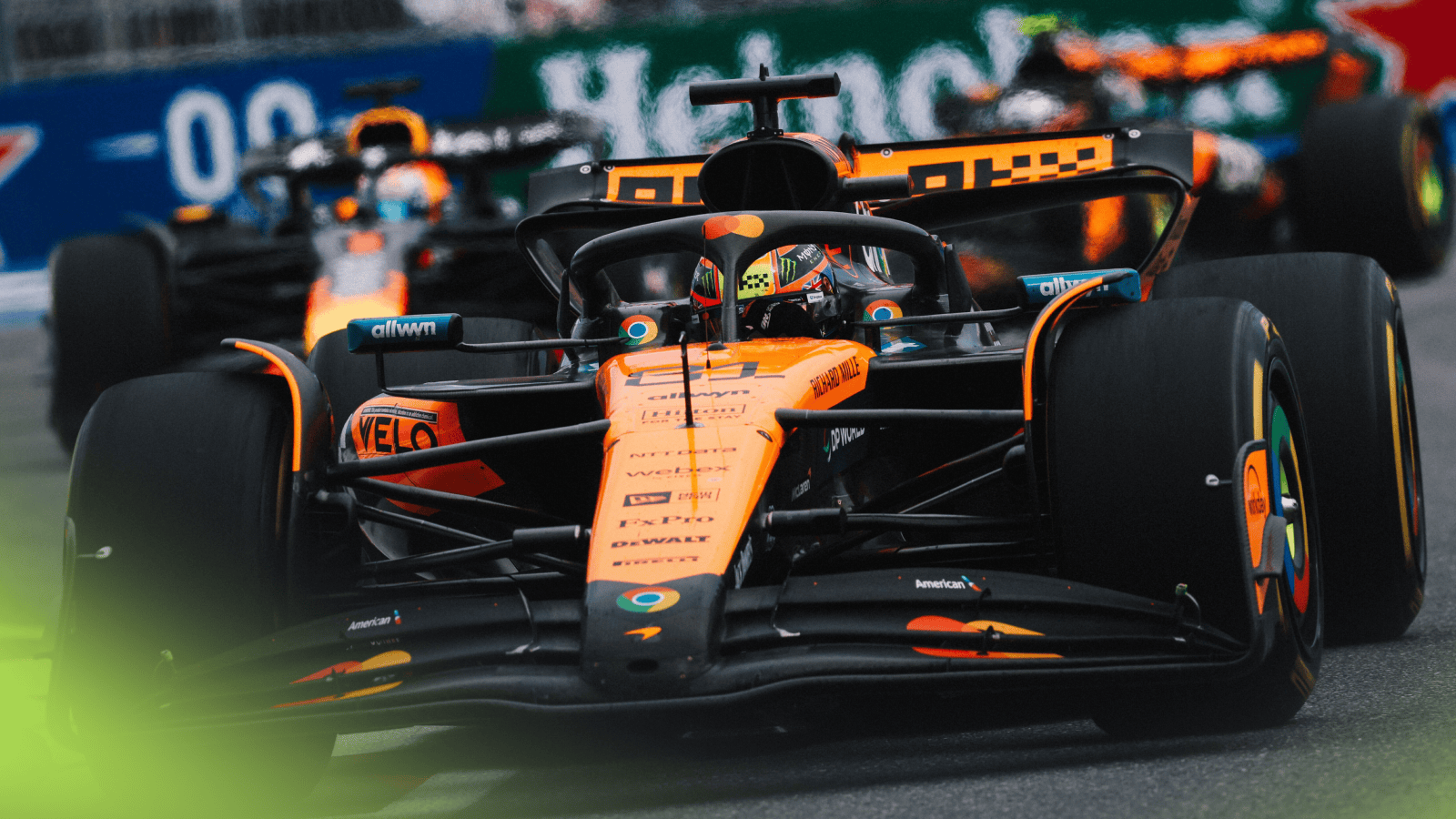
The 2026 season of the Formula 1 World Championship is shaping up to be one of the most transformative years in the history of the sport. With sweeping regulation changes, new power unit technologies, and fresh manufacturer entries, the upcoming campaign is expected to redefine the competitive landscape of Formula One.
The championship, governed by the Fédération Internationale de l’Automobile, will introduce a completely new set of technical rules aimed at making the sport more sustainable while improving on-track racing.
Major Regulation Changes in 2026
The biggest talking point heading into the season is the introduction of next-generation hybrid power units. The new engines will retain the 1.6-litre V6 turbo configuration but will feature a significantly increased electrical component. Nearly 50 percent of the engine’s power will come from electric energy, marking a major step toward Formula One’s long-term sustainability goals.
Another major shift involves the removal of the MGU-H system, which had been a complex and expensive part of previous hybrid engines. Instead, the focus will be on a more powerful MGU-K energy recovery system, allowing cars to generate and deploy more electrical energy during races.
The new rules are also designed to ensure that the cars are lighter, more agile, and easier to follow, addressing long-standing concerns about aerodynamic turbulence affecting overtaking.
New Manufacturers Enter the Grid
One of the most exciting developments for the 2026 season is the arrival of new engine manufacturers. German automotive giant Audi is set to make its long-awaited Formula One debut as a works team, marking a significant milestone for the sport.
Meanwhile, American automaker Ford Motor Company is returning to Formula One through a strategic partnership with Red Bull Racing, helping develop the team’s next-generation power unit.
The inclusion of new manufacturers is expected to intensify competition and bring fresh technological innovation to the championship.
Drivers to Watch This Season
The 2026 grid is stacked with world-class talent, with reigning champion Max Verstappen expected to once again lead the charge for Red Bull Racing. Verstappen’s dominance over recent seasons has made him the benchmark for performance in modern Formula One.
Meanwhile, seven-time world champion Lewis Hamilton continues to be a formidable presence on the grid, aiming to add another title to his legendary career.
Other young stars such as Charles Leclerc, Lando Norris, and George Russell are also expected to play key roles as teams adapt to the new regulations.
Sustainability and the Future of Formula One
Sustainability remains a central pillar of Formula One’s future plans. The 2026 engines will run on 100 percent sustainable fuels, a move aimed at reducing the sport’s environmental impact while also advancing fuel technologies that could benefit the automotive industry.
Formula One has committed to becoming net-zero carbon by 2030, and the 2026 regulation overhaul is considered a crucial step toward achieving that target.
A Season of Uncertainty and Opportunity
With major rule changes and new manufacturers entering the championship, predicting the competitive order for 2026 remains difficult. Historically, regulation shifts have often reshuffled the pecking order, allowing new teams and drivers to emerge as title contenders.
Fans and analysts alike expect the 2026 season to usher in a new era of Formula One, where technological innovation, sustainability, and thrilling racing combine to shape the future of the sport.
For motorsport enthusiasts around the world, the upcoming season promises excitement, unpredictability, and a glimpse into what the next generation of Formula One racing will look like.
Follow BiGG Sports News for more stories
About the Author