Bangladesh Tour Schedule Adjusted for 2026 as BCCI Reworks International Calendar
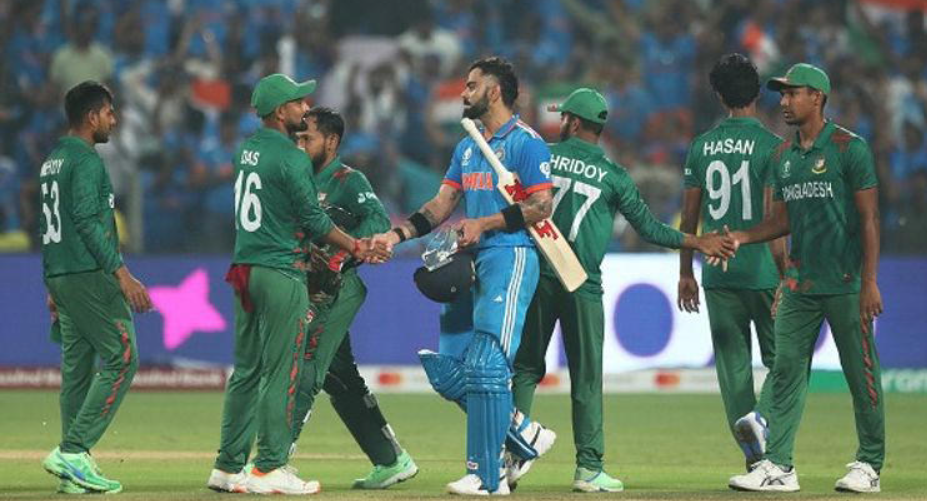
New Delhi: The Board of Control for Cricket in India (BCCI) has officially confirmed that India’s white-ball tour of Bangladesh has been rescheduled to September 2026, prompting a reshuffle of the international calendar and creating fresh planning challenges for both teams.
The tour, originally slotted earlier in the year, will now feature three ODIs and three T20Is, forming a crucial part of India’s post-World Cup rebuilding phase and Bangladesh’s preparation cycle for upcoming ICC tournaments.
Why the Change?
According to board officials, the adjustment was driven by a combination of scheduling congestion, venue availability, and broadcast commitments. With 2026 already packed with ICC events, bilateral series, franchise leagues and domestic competitions, the BCCI and the Bangladesh Cricket Board mutually agreed that September offered the most viable window to ensure player availability and full-strength squads.
A senior official familiar with the discussions explained that the new window allows both boards to avoid clashes with domestic T20 leagues and to provide players adequate recovery time following major global tournaments.
Impact on Team Planning
For India, the Bangladesh series now becomes a strategic platform to test new combinations in the ODI and T20 formats after a long international season. The team management is expected to rotate senior players while providing opportunities to emerging talent who have impressed in domestic and A-team competitions.
Bangladesh, meanwhile, view the September series as an opportunity to strengthen its home advantage. Playing on slower subcontinental tracks late in the monsoon season traditionally suits their spin-heavy attack, and the board is expected to prepare pitches that test India’s adaptability in white-ball conditions.
Broadcasting and Commercial Considerations
Broadcast partners are understood to have supported the revised dates, as September offers a relatively cleaner sports calendar compared to the crowded summer window. Advertisers are also likely to benefit from uninterrupted prime-time viewership, especially given the enduring popularity of India–Bangladesh contests across South Asia.
Player Workload and Rotation Strategy
The new schedule also gives selectors greater flexibility in managing player workloads. With senior Indian cricketers balancing multi-format responsibilities, September provides a logical break point to assess fitness, rotate fast bowlers and ease younger players into international roles.
From Bangladesh’s perspective, the tour aligns neatly with their long-term white-ball roadmap, enabling them to experiment with combinations and sharpen tactical approaches before their next overseas assignments.
What Comes Next?
The BCCI is expected to release the final itinerary, including match venues and start times, in the coming weeks. Both boards have reiterated their commitment to maintaining a competitive bilateral relationship, which has consistently produced high-intensity cricket in recent years.
As the countdown to September begins, fans can look forward to another compelling chapter in the India–Bangladesh rivalry — one that will carry fresh significance in the evolving landscape of international white-ball cricket.
Follow BiGG Sports News for more sports stories
About the Author