🏑 Rain Halts Play but New Zealand Survive Japan’s Challenge in Dramatic Chennai Clash – 2025
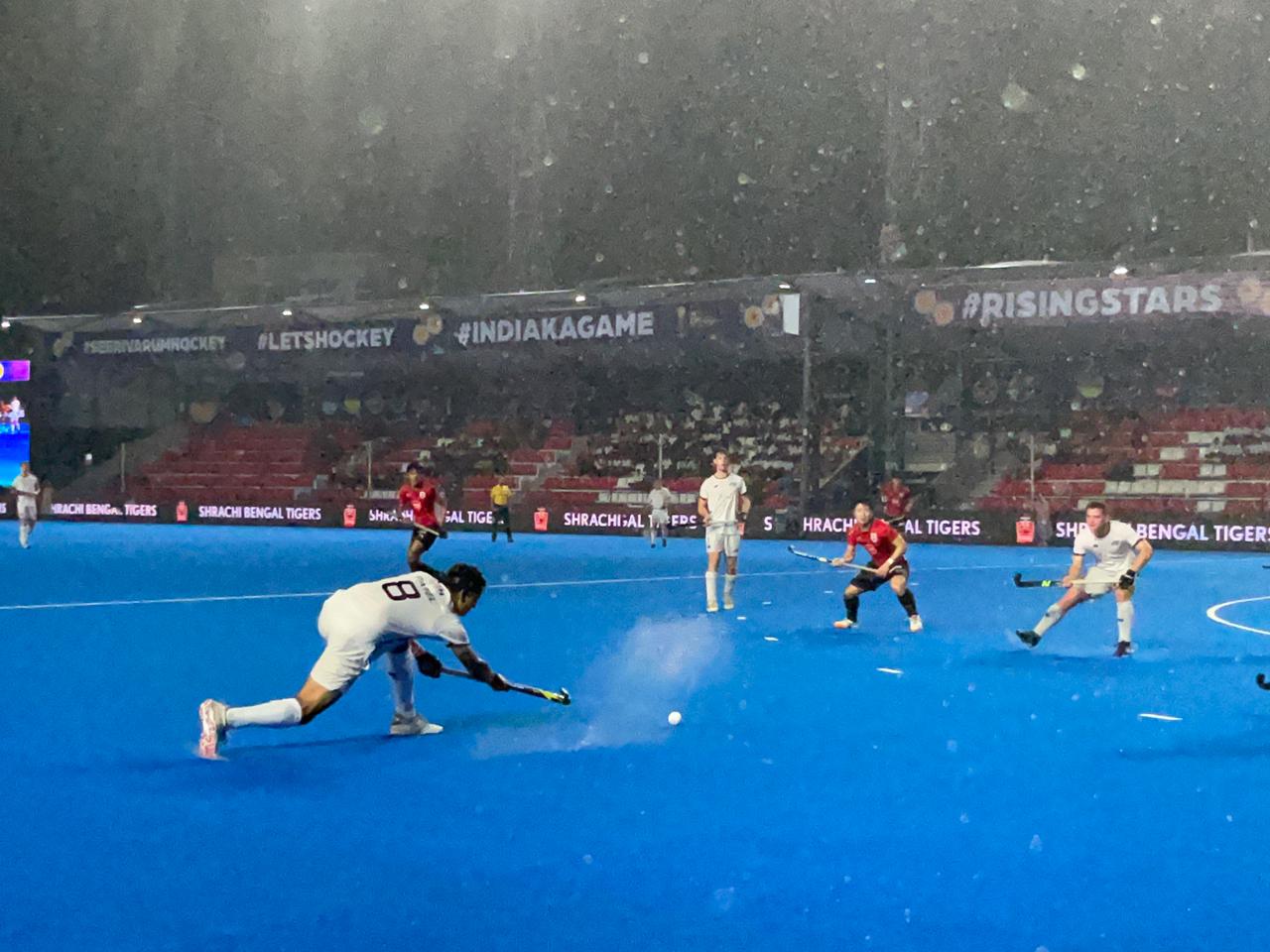
Chennai, Tamil Nadu — December 1, 2025. Rain,
On a night meant for clean hockey, nature demanded a role. The New Zealand U-21 vs Japan U-21 fixture at the Mayor Radhakrishnan Hockey Stadium became one of the most dramatic episodes of the Junior World Cup — not because of a golden goal or late penalty, but because of a sudden third-quarter downpour that froze the match, shocked the crowd, and tested the tournament’s resolve.
This was the first time Chennai’s World Cup schedule was truly stressed by weather. The stadium, until then a cauldron of energy, fell quiet as the rain intensified. But unlike rumours across social media, the match was never cancelled. It was delayed, stabilized, and completed — a triumph of professionalism from organizers, athletes, and fans alike.
🌧️ Storm Interrupts the Contest
The opening half unfolded normally. New Zealand’s pace and width faced Japan’s positional patience. Neither side blinked early. Japan teased their signature quick rotations on the right flank, while New Zealand’s counter-pressing held shape. Those who know youth hockey could sense it: this would be a slow-burner, not a goal carnival.
Then came chaos.
Midway through the third quarter, rain slashed down. Not drizzle. Torrential sheets — the kind that turn turf into mirror and force players into survival mode. Within minutes, the ball stopped rolling cleanly. Stick handling turned into skating. Umpires halted play. The scoreboard clock froze.
Spectators reached for ponchos, players headed to dugouts, and stadium staff zipped protective covers over broadcast gear. What looked like a short interruption stretched into a long wait.
🧊 Calm Leadership in Crisis
Event officials followed FIH protocol with discipline:
safety assessment → turf drainage evaluation → team consultation.
No panic, no confusion.
Tournament crews worked in synchronization. Water was cleared, drainage lines checked, and grounds experts tested ball movement on surface strips. The two teams were updated constantly — no surprises, no misinformation.
This is where World Cup standards matter. A local league match might be abandoned in frustration; a global tournament must protect fairness, athletes, and integrity. Chennai — a first-time junior World Cup host — passed a difficult test in prime time.
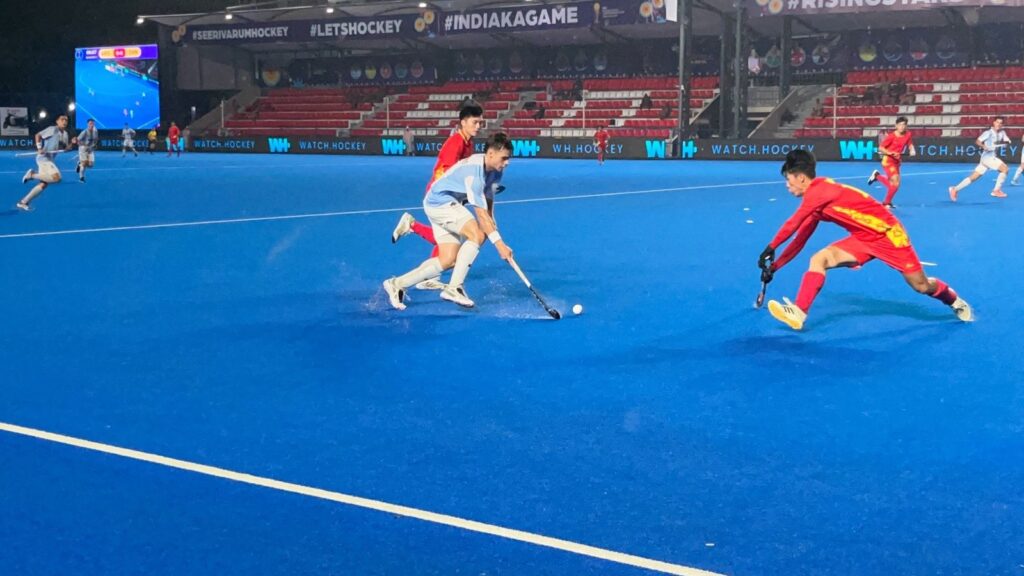
🔥 The Restart — Mentality Game
When play resumed after a lengthy delay, everything changed.
Momentum evaporated. Both squads had to re-warm, reset, and rediscover timing. New Zealand looked sharper first, pressing higher and forcing circle congestion. Japan responded through ball circulation, drawing midfielders wide, and probing near baseline.
Chennai fans, who could easily have left during the stoppage, instead turned into the city’s 12th man. Every breakaway drew noise. Every recovery tackle drew applause. The stadium became a classroom of resilience — not only for players, but for supporters.
🏟️ A Lesson in Real Tournament Hockey
What made this match memorable was not its scoreline, but its lesson.
Junior hockey usually reveals talent through goals and flair. But the best players grow when the environment collapses — when plans break, nerves shatter, and rhythm dies. On December 1, both New Zealand and Japan learned how to compete with uncertainty in their lungs. Teams that survive these nights become medal material later in their careers.
If you ask the players ten years from now which match from this tournament they remember, it won’t be their biggest win. It will be this one — the one the weather tried to steal.
❗ The Truth vs the Rumour
Online whispers claimed two matches were cancelled.
That myth grew from clips, crowd videos, and reel captions.
But here is the factual core:
👉 The New Zealand U-21 vs Japan U-21 match was delayed, not cancelled. It was resumed and played to completion.
That matters.
Because in a World Cup, every minute played — especially under pressure — shapes future champions.
Follow BiGG Sports News for More sports stories
About the Author